
Early voting in Tennessee’s 5th Congressional District is opening amid a sharper campaign fight, with Democrat Chaz Molder releasing two advertisements this week aimed at Republican Charlie Hatcher’s economic positions and record in state government.
The candidates are competing to succeed Rep. Andy Ogles, whom Hatcher defeated in the Republican primary. The newly drawn district stretches from Middle Tennessee into West Tennessee and includes numerous rural communities, making agriculture, rural health care and school funding prominent subjects in Molder’s latest attacks.
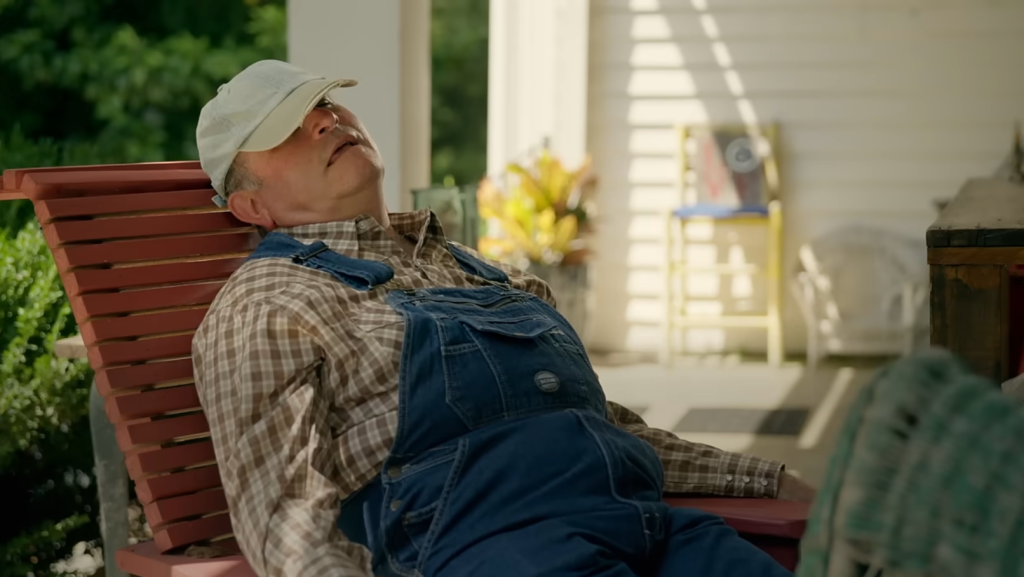
One advertisement, titled “Snooze,” focuses on Hatcher’s responsibilities in public office. It alleges that, while serving as a voice for rural schools, he missed every meeting concerning decisions about billions of dollars in education spending, claiming he was too busy.
The same spot challenges his handling of a federal funding opportunity while serving as Tennessee’s agriculture commissioner. In 2024, the state missed a deadline to apply for more than $7 million in federal support for food banks and farms. Molder’s advertisement alleges that Hatcher received six reminders about the application and that Tennessee taxpayers ultimately covered the cost.
“Charlie Hatcher. Out to lunch. Out of excuses,” the narrator says.
The other advertisement, “Hatch,” concentrates on household costs and federal policy. It criticizes what Molder’s campaign describes as Hatcher’s support for the war in Iran, tariffs and tax breaks for billionaires. Playing on Hatcher’s name, the narrator says his ideas “bite.”
The ad links those positions to higher gasoline prices, financial pressure on businesses and farmers, and deep funding cuts affecting nursing homes and rural hospitals. Those causal claims are arguments made by Molder’s campaign, which is presenting Hatcher’s policy preferences as a threat to voters’ finances and local services.
Both spots open with Molder approving the message. Both will appear on digital platforms, according to his campaign, while “Hatch” is also airing on television.
The advertisements arrive a week after Hatcher released his own spot urging voters to “hire the farmer.” Molder’s attacks challenge that appeal directly, arguing that an agricultural background does not necessarily translate into policies or administrative decisions that benefit farmers.
“He should know better than anyone what Tennessee farmers are up against, but he supports tariffs that are bankrupting them, a war that’s driving up gas prices and tax breaks for billionaires paid for by cuts to nursing homes and rural hospitals,” Molder said in a statement.
“And when it was his job to show up for rural schools and local farms, he couldn’t be bothered. Tennesseans can’t afford to send Charlie Hatcher to Washington.”
Molder’s campaign has moved toward offense since releasing another attack advertisement last month criticizing Hatcher’s support for data center development. Such facilities house computing equipment that supports online services and can require substantial electricity and cooling infrastructure. Debates over their development often involve utility capacity, land use and the balance between economic benefits and public costs.
The focus on rural institutions reflects the district’s geography. Hospitals outside major metropolitan areas serve communities where patients may already travel significant distances for specialized care. Nursing homes provide long-term care, while food banks connect donated and purchased food with households facing financial hardship. Decisions about federal spending can affect all three.
Tariffs also carry particular significance for agricultural communities. They are taxes on imported goods, generally paid initially by importers, with costs potentially passed along to businesses and consumers. Trade disputes can expose American agricultural exports to retaliatory measures, although effects vary by product, market and policy. The advertisements turn those broader economic concerns into an argument against Hatcher.
A poll released last week placed Molder within five percentage points of Hatcher, with 11 percent of respondents undecided, suggesting a competitive contest as early voting began this week. A poll is a snapshot rather than a prediction, but the undecided share underscores why both campaigns are trying to define the choice now.
Molder said his campaign has “momentum,” arguing that “the more voters learn about Charlie Hatcher, the less they like what they see.”
For Nashville-area residents, checking district assignments is especially important following boundary changes. A Nashville mailing address alone does not establish which congressional contest appears on a voter’s ballot.
Voters can use the Tennessee secretary of state’s GoVoteTN website or app to check registration information, view sample ballots and locate voting sites. County election commissions provide early voting schedules and location details; Davidson County residents can consult the Davidson County Election Commission. Tennessee generally requires an accepted photo ID for in-person voting, subject to statutory exceptions. Checking those requirements before leaving home can help voters avoid an unnecessary return trip.