
Nashville businesses could gain a new source of city assistance while drivers move closer to new intersection restrictions under proposals before Metro Council on Tuesday, Oct. 6. The measures are at different stages: the business grants face a final vote, while the right-on-red legislation returns for the second of three readings.
The meeting also brings a public hearing on infrastructure funding for the former Rivergate Mall property and the introduction of Mayor Freddie O’Connell’s latest capital spending proposal. Together, the agenda items address how Metro supports existing businesses, finances public projects and manages changes to its transportation network.
O’Connell’s small-business proposal would establish grants for locally operated businesses with at least 15 years in operation. The legislation pairs that assistance for “legacy small businesses” with workforce-development grants and broader access to grants for business capital improvements.
The initial allocation is $300,000, with a goal of increasing funding in future years. Tuesday’s third reading is the final scheduled legislative vote on the proposal. Its three components would support business longevity, employee development and investment in business facilities rather than limiting assistance to a single type of expense.
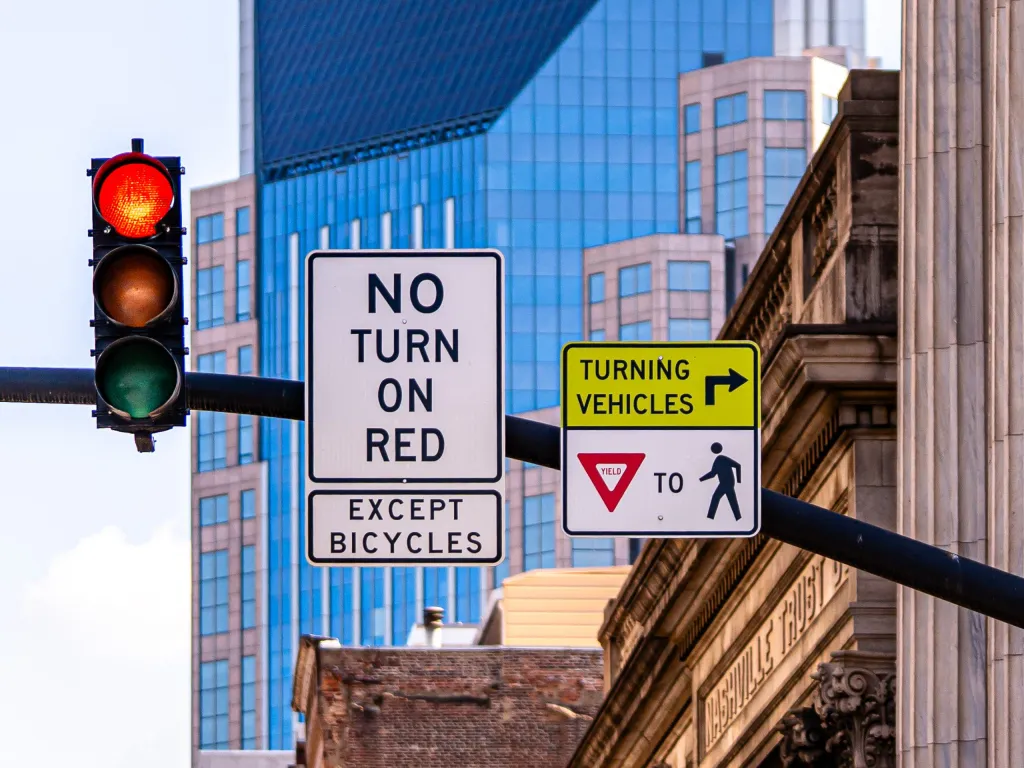
The intersection proposal, sponsored by Councilmember Sandra Sepulveda, would direct Metro to restrict right turns at red lights in selected areas. Sepulveda has argued that the measure would accelerate an existing bureaucratic process for imposing those restrictions and that the safety benefits justify potential traffic impacts.
Downtown business owners have raised concerns about the proposal and requested more time to study its potential effects. Downtown would be the location of the first wave of restrictions.
The scope has narrowed substantially during debate. An earlier version focused on more than 700 signalized intersections; the current proposal covers approximately 250 that the Nashville Department of Transportation would study if the legislation passes. NDOT has already examined several dozen intersections, mostly downtown, where restrictions could be put in place sooner.
That distinction matters for implementation: the broader group would undergo transportation review, while locations already studied could move ahead more quickly. Tuesday’s second-reading consideration would not itself complete the three-vote process.
Several amendments are pending. The council’s Transportation and Infrastructure Committee recommended amendments 2 and 4 but voted against amendment 3, leaving the full council to consider the proposed changes as the legislation advances.
A separate transportation measure from Councilmember Jacob Kupin is scheduled for its first of three votes. It would establish dedicated revenue streams for multimodal infrastructure, addressing the funding side of transportation improvements rather than intersection operating rules.
O’Connell’s $544.72 million capital spending plan is also on the agenda, though it is subject to a deferral required by council rules. The proposal is his fourth capital plan and is $12.72 million larger than the $532 million plan from late 2025.
Highlights include a larger allocation for active transportation and bikeways, funding for a new elementary school in Antioch and a significant allocation to relocate Metro offices near the airport. Those projects span transportation, education and government facilities.
Council members will also hear public comment on a resolution creating the Rivergate Infrastructure Development District. The district would provide a mechanism to raise money for millions of dollars in infrastructure work needed to redevelop the former mall site. It is among multiple public hearings scheduled for the meeting.
On Metro’s internal operations, Councilmember Joy Styles’ proposal for an anonymous annual employee survey returns for a second reading. Styles and Councilmember Tasha Ellis have offered competing revisions that would instead call for a human resources review of whether the survey is feasible.
Sepulveda has also nominated Councilmember Deonté Harrell to serve as the council’s representative on the Contract and Compliance Board. The board was established through legislation Sepulveda spearheaded.