
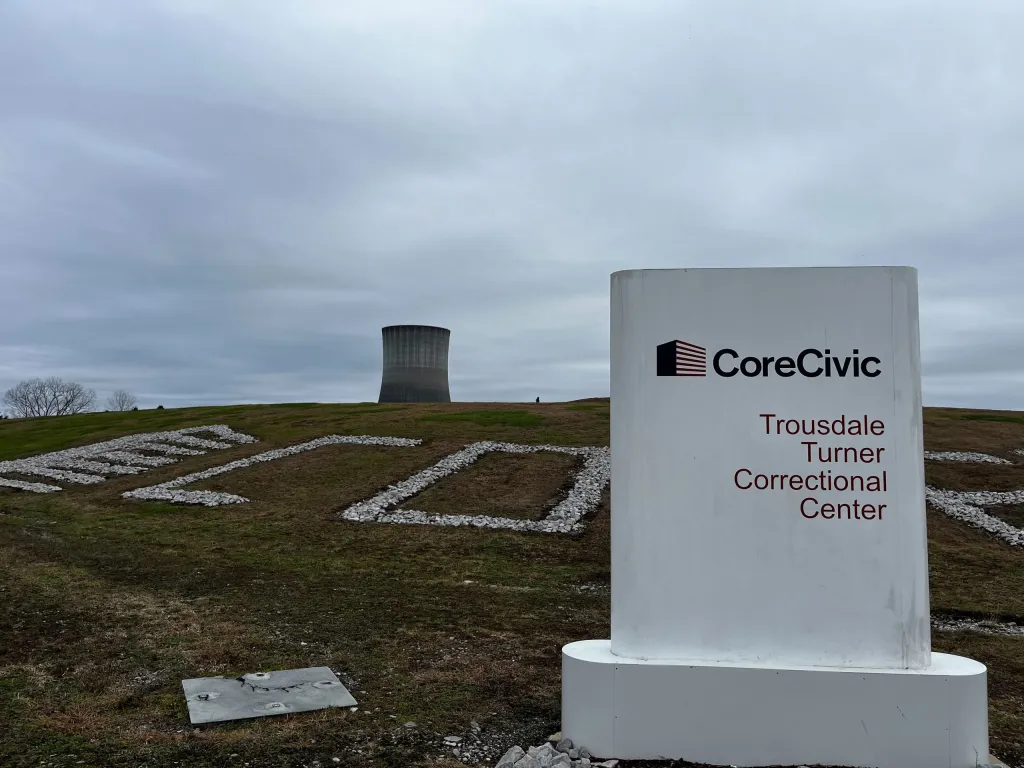
A federal lawsuit over Kylan Leeper’s fatal fentanyl overdose at Trousdale Turner Correctional Facility has been dismissed, with the judge finding that evidence of widespread drug activity and security failures did not sufficiently connect prison officials’ conduct to his death.
The Nov. 3 order by U.S. District Judge Waverly Crenshaw ends the family’s case at the district court level more than three years after Leeper died. His father, Tim Leeper, said he doubts the family will appeal but intends to keep pressing Tennessee lawmakers for changes to the prison system.
The ruling draws a distinction between documenting dangerous conditions across a prison and establishing a sufficient connection to an individual death. Crenshaw expressed concern about the drug crisis at the CoreCivic-operated facility while concluding that the family had not established the link needed for its claims to proceed.
Kylan Leeper died on Oct. 6, 2023, about five months after arriving at Trousdale Turner. The Middle Tennessee facility is the state’s largest prison and has faced persistent concerns about drugs, violence and deaths since opening.
Testimony cited in Crenshaw’s order described an extraordinary frequency of overdoses around the time Leeper was incarcerated there. Former employees, including a former warden, testified that the prison sometimes experienced 10 to 15 overdoses a day during the summer and fall of 2023. Some were fatal.
Crenshaw’s opinion also documented efforts by CoreCivic to intercept drugs and other contraband. Those measures included scanning people, mail and packages; using dogs; monitoring for drones; patrolling the perimeter; searching prison areas; conducting drug tests; and reviewing video surveillance.
But the order described an understaffed institution and evidence that misconduct by people with authority may have undermined its security. The judge’s conclusion did not erase those concerns; it turned on whether the evidence connected the alleged conduct to the particular danger Leeper faced before his death.
A substantial part of the family’s case focused on Jermaris Porter, who was an assistant warden at Trousdale Turner. The family’s complaint alleged that Porter played a central role in drug trafficking inside the prison.
Crenshaw characterized the evidence against Porter as the strongest part of the case. His order described evidence that Porter moved inmates between units without searches, held private meetings with gang-affiliated inmates and bypassed security screening. The judge also said Porter may have transported drugs himself.
Even so, Crenshaw found the family had not connected that conduct, or trafficking Porter allegedly participated in or facilitated, to the risk Leeper faced in the Foxtrot Bravo unit before his death. The distinction was decisive despite the seriousness of the allegations.
Porter has since left Trousdale Turner. He later worked briefly at a prison in Alabama before leaving that position as well.
For Tim Leeper, the dismissal represents a profound setback after an expensive effort to investigate his son’s death. He said he spent more than $50,000 on private investigators in addition to hiring an attorney. He questioned how other families could hold prisons accountable if the evidence his family assembled was insufficient.
Leeper nevertheless plans to continue the advocacy that has become a central part of his life since Kylan’s death. Through his organization, Kylan’s Light, and online groups for relatives of people incarcerated in Tennessee, he has built connections with other families seeking changes.
He said he has stepped away from businesses to devote time to that work and will continue lobbying state lawmakers on prison policy. His goals also extend beyond legislation: He wants people outside prisons to recognize the humanity of those serving sentences.
Leeper described his faith as a foundation for that effort. Although the court outcome has narrowed his family’s legal path, he said it has not ended his commitment to improving conditions for people in Tennessee prisons.